


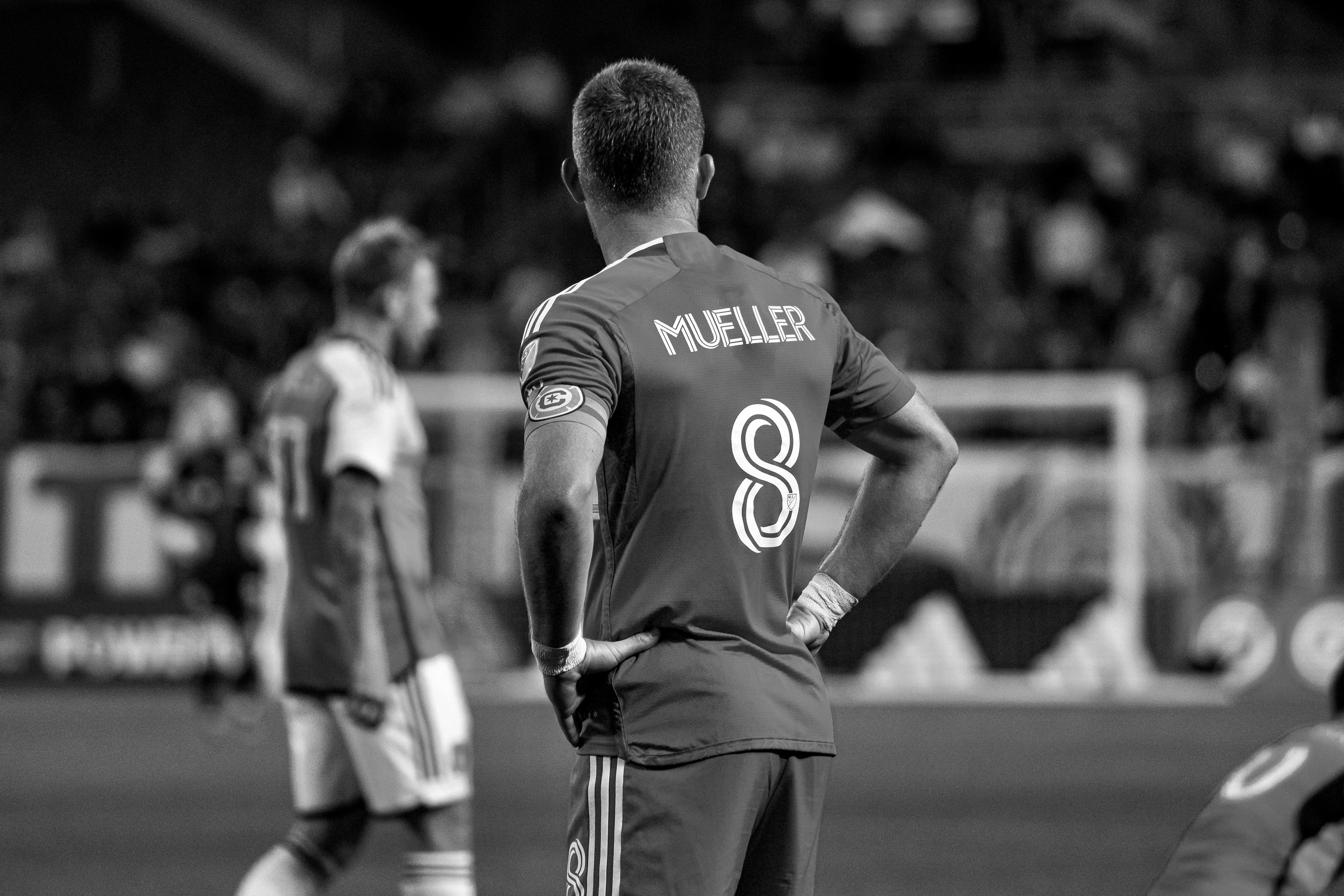
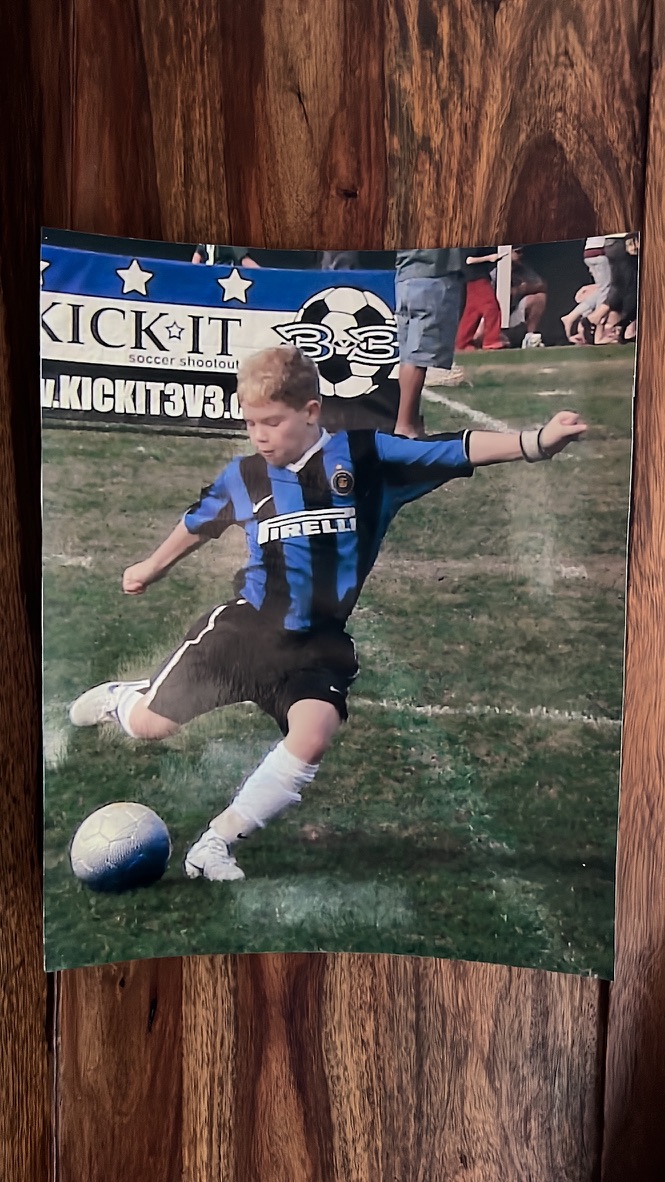
When I was younger, I never really struggled to believe in myself. I was doubted plenty, but that usually just made me want to prove people wrong even more. I had a pretty strong belief that I could get where I wanted to go, even when other people didn’t necessarily see it yet.
Looking back, I’m grateful for that. You need a lot of belief to keep going in this game, especially when the path isn’t obvious and the opportunities don’t come exactly when you want them to.
But belief only gets you so far…
There are things I learned later, through college soccer, MLS, playing overseas, being around different coaches and teammates, dealing with good stretches and bad ones, that I honestly wish I understood much earlier. Not because they would’ve made the path easy, but because I think they would’ve helped me become a more complete player sooner and probably saved me from wasting energy on things that didn’t matter as much as I thought.
So when young players ask me for soccer advice now, these are the things I keep coming back to…
1. Use Doubt as Fuel, But Don’t Live for It
I was doubted a lot when I was younger, and honestly, part of me liked it. If somebody didn’t think I was good enough, my reaction usually wasn’t to question myself. It was more like, “Alright, I’ll show you.”
That chip on my shoulder helped me. It made me competitive and gave me another reason to work. I wouldn’t want to erase that from my younger self.
What I would tell him now is that there’s a point where proving people wrong stops being useful.
When you’re young, it can feel like every coach, every roster decision and every opportunity is a judgment on who you are as a player. You want people to see what you see in yourself. And when they don’t, it can become personal really quickly.
But your career can’t be built around convincing everybody.
Some people are going to believe in you. Some won’t. Some will be right about things you need to improve. Some will be completely wrong about you. You’re going to drive yourself crazy if you give every opinion equal weight.
The better question is whether you’re still doing the work to become the player you believe you can be. Competing with the guy in the mirror is going to take you much further than competing with the guy who doubted you ever will.
That’s what I wish I understood earlier. Keep the chip. Keep the belief. Just don’t waste all your energy on the people who don’t see it yet.
2. Confidence Is Great, but Self-Awareness Is Better.
This one took me longer to understand.
I’ve always been confident, and I still think confidence is one of the most valuable things a player can have. You need to believe you can make the play. You need to want the ball. You need to be willing to take risks and back yourself.
But confidence without self-awareness can get you stuck…
There were times in my career when the easiest explanation would’ve been to blame the coach, the situation, the opportunity, or something outside of me. Sometimes those things really do matter. Soccer isn’t perfectly fair.
But sometimes I just needed to get better…
That’s not always fun to admit when you believe in yourself, but I actually think the best players get good at holding both ideas at the same time.
You can believe you’re capable of reaching a very high level and still be brutally honest about where your game isn’t good enough yet.
Those things aren’t opposites, and that’s where real development starts.
If your coach keeps saying the same thing, listen. If the same mistake keeps showing up on film, pay attention. If you keep struggling with the same situation in games, don’t explain it away. Study it. Confidence should make you brave enough to face your weaknesses, not hide from them.
3. At Some Point, You Have to Own Your Own Development
When you’re young, soccer is pretty organized for you. Your parents get you there. Your club sets the schedule. Your coach plans the session. You show up, train and play.
That structure matters, but it can also make you think that showing up is the same thing as developing. Let me tell you… it isn’t.
The higher I went, the more responsibility shifted onto me. I had to understand my body better, understand what I needed technically and tactically, know when extra work would help and when I needed to recover, watch film, ask better questions and have conversations with coaches instead of just waiting for everything to come to me.
That was a big change.
Your coach can help you a lot. A good trainer can help you. Your parents can support you and give you opportunities. But eventually, you have to become an active participant in your own career.
You have to know what you’re working on and why.
That doesn’t mean doing five extra workouts because you saw somebody online training at 6 a.m. It means understanding your actual game and taking responsibility for improving it.
That is very different…
READ THE POST: What I Wish I Knew Earlier About Youth Soccer Player Development
Not Sure What You Should Actually Be Working On?
A lot of young players are willing to work. The harder part is knowing where to put that work.
We created the BTB Player Development Checklist to help players look honestly at their training, recovery, preparation, habits and overall development instead of just adding more random work.
DOWNLOAD THE FREE PLAYER DEVELOPMENT CHECKLIST
4. Coaches Value Trust More Than Young Players Realize
When you’re younger, you naturally think about impressing the coach. You want to score. You want to beat somebody. You want to make the play everybody notices.
That stuff matters. You still have to impact games.
But as I moved into higher levels, I started to understand how much coaches value trust.
Can the coach trust you to do your job? Can he trust you tactically? Can he trust your work rate when you’re frustrated? Can he give you information and know you’re going to apply it? Can he put you into a difficult game and have a pretty good idea of what version of you is going to show up?
Those things matter a lot…
Professional soccer is full of talented players. Everybody can play. The margins get smaller, so the boring stuff starts carrying more weight.
Your positioning. Your work without the ball. Your reaction when you lose it. Making the simple play when that’s what the game needs. Communicating. Being prepared.
None of those things are going into a highlight reel, but coaches notice them.
I think young players spend a lot of time asking, “How do I stand out?” I think a better question might be, “How do I become a player my coach trusts?”
5. More Training Isn’t Always Better Training
This is one I probably wouldn’t have wanted to hear when I was 15…
My instinct was always to do more. If I had a bad game, I wanted to train. If I wasn’t happy with how I was playing, I wanted to train. If somebody else was getting better, I wanted to make sure I was doing more than them.
That mentality helped me in a lot of ways, and I still believe extra work matters.
But professional soccer taught me that there’s a big difference between being committed and just constantly beating up your body.
Sometimes the best thing I could do for my performance was train. Sometimes it was recovery. Sometimes it was sleep. Sometimes it was leaving my body alone because we had another game coming.
That was hard for me because doing more feels productive, and rest doesn’t…
But your body doesn’t care which one makes you feel tougher.
Young players don’t need every recovery tool a professional has access to. Start with the things that actually matter. Sleep well. Eat enough. Hydrate. Pay attention to how your body feels. Understand what your week looks like before adding extra work.
You don’t win anything for being the most exhausted player.
You’re trying to become better and stay available to perform.
READ THE POST: The Ultimate Guide to Soccer Recovery]
6. Learn the Game, Not Just the Drills
There is more soccer training content available now than there ever was when I was young, and a lot of that is a good thing. You can find technical work, position-specific exercises and ideas almost instantly.
The downside is that it’s really easy to confuse doing soccer drills with learning how to play soccer. Those aren’t the same thing.
The higher you go, the faster everything happens. You get less time on the ball, not more. Defenders read things quicker. Teammates move earlier. Spaces disappear faster.
A perfect first touch helps, obviously, but what matters just as much is whether you knew what you were going to do before the ball got there. That’s why I think young players should spend more time actually studying the game.
Watch players in your position. Watch what they do when they don’t have the ball. Watch when they stay wide and when they come inside. Watch when they play simple and when they take a risk.
Then watch yourself. Film can be uncomfortable because sometimes the game you remember playing isn’t the game you actually played.
That’s useful. You don’t need to beat yourself up over every mistake. Just get curious. What did you see? What did you miss? What could you have done earlier?
That kind of learning stays with you a lot longer than another random drill saved on Instagram.
7. One Mistake Shouldn’t Cost You the Next Ten Minutes
One of the clearest signs of confidence is what a player does after something goes wrong. You lose the ball, miss a chance, play a bad pass or get beat. What happens next matters.
A lot of young players think confidence means feeling good all the time. I don’t see it that way. Confidence is asking for the ball again after you just gave it away. It’s taking the next 1v1 instead of suddenly playing everything backward. It’s pressing after your mistake instead of looking at the bench or disappearing from the game.
Especially for attacking players, you can’t play scared and still expect to be dangerous. Your position requires risk. You are going to lose the ball sometimes. You are going to make decisions that don’t work. The mistake itself is not always the biggest problem. Sometimes the next five or ten minutes are.
That is something I wish more young players understood. Your response is part of your game too, and coaches notice it.
8. Professional Habits Come Before a Professional Contract
When you’re young, becoming a professional can feel like the finish line. You imagine that once somebody gives you a contract, you’ve made it. Then you get there and realize everybody around you has made it too. Now you have to stay.
That was one of the biggest things professional soccer taught me. A contract does not suddenly make you disciplined or teach you how to prepare, recover, handle being benched, deal with pressure or respond when things are not going your way. Those habits have to exist before the opportunity comes.
I think that is probably one of the biggest things I would want a young player to understand. You do not have to pretend you are a professional at 15. You should still enjoy being a kid and enjoy playing. But you can start taking certain things seriously: how you prepare, how you recover, how you treat people, how you respond to coaching, how you handle setbacks and whether your habits actually match what you say you want.
That is what professionalism ended up looking like to me. A lot less glamorous than I imagined when I was younger, and a lot more important.
What I’d Tell a Young Player Now
If you’re serious about soccer, keep dreaming big. I still think there is something really special about a kid believing he can do something before everybody else sees it.
But belief is only the beginning. You still have to learn yourself, learn the game, take ownership of your development and build habits that hold up when things stop going perfectly.
That is a big reason we built BTB. There are so many parts of becoming a serious player that rarely get taught in one place. Training matters, but so do recovery, confidence, film, preparation, communication, recruiting and understanding how to actually take ownership of your career.
If you want more structure around those things, start with the free BTB Player Development Checklist. If you want to go deeper, that is exactly what we teach inside the BTB Locker Room.
FOOTBALL ISN’T LEAVING MY LIFE.
the next chapter
BTB is where I’m taking everything the game taught me next.
If you want to stay connected, The Underdog’s Edge is the best place to start, one thoughtful email every Tuesday on the game, the path through it, and the things worth knowing.




Comments +
Comments