
the btb podcast


listen to the latest episode
LISTEN ON SPOTIFY | LISTEN ON APPLE | WATCH ON YOUTUBE
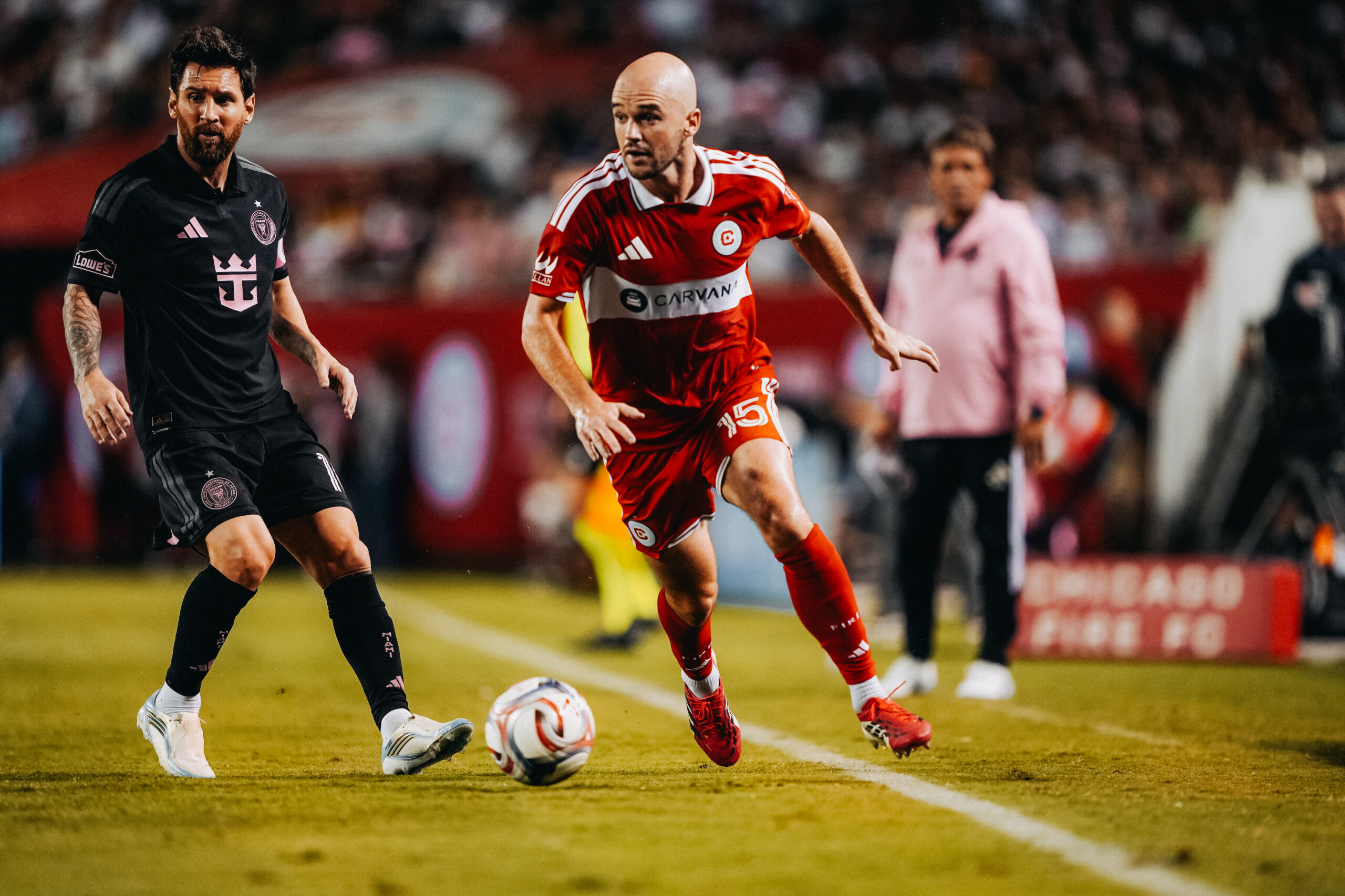
One of the things I’ve always respected about Andrew Gutman’s approach to his professional soccer career is how seriously he takes his preparation.
I’ve played alongside a lot of talented players throughout my career, but Andrew is one of the most meticulous guys I’ve been around when it comes to recovery, nutrition, and taking care of his body.
What I didn’t fully appreciate until sitting down with him was just how much adversity he experienced before we ever became teammates at Chicago Fire.
Andrew grew up in Chicago, played in the Chicago Fire Academy, spent four years at Indiana University, and eventually won the MAC Hermann Trophy as the best player in college soccer. He then signed with Celtic FC before building his professional soccer career in Major League Soccer.
But his journey was anything but straightforward.
In this episode of the BTB Podcast, we talked about his unlikely rise through college soccer, the challenges he faced after signing in Europe, the unpredictable business of professional sports, and the habits that have helped him sustain his career.
In this conversation, you’ll hear:
- Why Andrew was one of the worst players on his academy team at 15 years old.
- How a weekend visit to his brother at Indiana led to an opportunity that changed his career.
- What happened when Celtic couldn’t secure his work permit and his dream move to Europe took an unexpected turn.
- How an unexpected trade from Atlanta to Colorado changed his perspective on professional soccer.
- Why gaining weight and changing his approach to recovery became important parts of staying healthy.
Watch or listen to the full conversation below.
LISTEN ON SPOTIFY | LISTEN ON APPLE | WATCH ON YOUTUBE
From one of the worst players to the best in college soccer
One of the most revealing moments of our conversation came when Andrew described his first year in the Chicago Fire Academy.
He joined at 15 years old and, by his own admission, was one of the least-developed players on the team. He barely got playing time, struggled with the speed of training, and remembered coming home embarrassed after difficult sessions.
He could have returned to his previous club, where he would’ve been one of the better players. Instead, he stayed.
By the time he was 16, his development had been remarkable.
That willingness to remain uncomfortable became a defining characteristic of his career.
When it came time for college, Andrew wasn’t a highly recruited prospect. In fact, he only ended up meeting Indiana’s coaching staff because his parents encouraged him to reach out while visiting his brother.
He was offered a place on the team with essentially enough financial assistance to cover his books.
Four years later, he won the MAC Hermann Trophy.
I love this story because it challenges how quickly we evaluate young players based on their current ability, playing time, or recruiting interest.
Andrew’s future wasn’t determined by where he stood at 15. He was willing to keep developing, even when everyone around him appeared to be further ahead.
When signing for Celtic didn’t go according to plan
You would think winning the MAC Hermann Trophy and signing with Celtic would be the moment everything started falling into place.
For Andrew, it was almost the opposite.
After arriving in Scotland, he learned that he wouldn’t receive the work permit needed to play for Celtic. Instead of competing for one of Europe’s most historic clubs, he suddenly found himself heading on loan to Charlotte Independence in the USL.
He admitted how frustrating the situation was. But rather than allowing that disappointment to affect his preparation, he continued approaching every training session and game as seriously as possible.
Eventually, he earned another opportunity with Celtic’s first team during preseason. The manager told him he wanted to keep him around, only for the work permit situation to prevent it once again.
Andrew eventually found himself at FC Cincinnati, where something interesting happened.
Despite playing for a struggling team, he credits that experience with helping save his career.
Why?
Because he finally had the opportunity to play consistently, make mistakes, receive criticism, and improve.
I thought this was an important reminder that development isn’t always about being associated with the biggest clubs or the most prestigious environments.
Sometimes the opportunity to actually play, struggle, and learn is exactly what a young player needs.
LISTEN ON SPOTIFY | LISTEN ON APPLE | WATCH ON YOUTUBE
What Andrew Gutman’s MLS career taught him about the business of soccer
Another part of Andrew’s story that stood out was how quickly his circumstances could change.
During his time with Atlanta United, he was playing regularly, enjoying the city, and felt like he’d found somewhere he could potentially spend the rest of his career.
Then, one morning, while driving to breakfast with his wife and brother, he received a phone call from his agent.
He’d been traded to the Colorado Rapids.
Just like that, everything changed.
Andrew described the frustration of leaving a place where he’d become comfortable, but he also recognized that he couldn’t control the decision. What he could control was how he approached his next opportunity.
Having experienced the business side of professional soccer myself, I know how challenging these situations can be.
As players, we invest so much into our clubs, teammates, and communities. But professional soccer is also a business, and your circumstances can change regardless of how well you’re performing.
Andrew’s earlier experiences had prepared him to handle that uncertainty.
The habits that helped him sustain his career
Having shared a locker room with Andrew, I knew how disciplined he was with his nutrition, recovery, and preparation.
But I was particularly interested in hearing how his approach evolved after experiencing injuries throughout his career.
One of his biggest realizations involved his body weight.
For years, he’d believed being lighter would help him run more and perform better. Eventually, he began questioning whether that approach was actually helping him stay healthy.
After the 2024 season, he intentionally gained approximately six or seven pounds and found that the additional weight helped him feel stronger and recover more effectively between games.
What stood out to me wasn’t necessarily the change in weight itself, but his willingness to question something he’d believed for years.
Even as a professional, Andrew was still learning what worked best for his body.
And I think that’s an important lesson for young players. Taking your development seriously doesn’t mean blindly following the same routines forever. It means paying attention, learning, and making adjustments as you gain experience.
LISTEN ON SPOTIFY | LISTEN ON APPLE | WATCH ON YOUTUBE
Find something that separates you
Near the end of our conversation, I asked Andrew what advice he’d give his younger self.
His answer was simple: identify one quality in your game that can separate you from other players, and spend additional time developing it.
For Andrew, that meant becoming more effective as an attacking fullback through crossing, overlapping runs, and delivering dangerous passes.
He wished he’d started deliberately developing those qualities at 15 rather than waiting until his early twenties.
I thought this was excellent advice.
Every young player wants to improve, but improvement becomes much more intentional when you understand your position, identify what makes you valuable, and dedicate time to developing those specific qualities.
It’s something I wish more young players thought about when deciding how to spend their individual training time. For players looking to take more ownership of that process, we’ve put together a collection of free player development resources at BTB.
What I’ll remember from this conversation
The thing that stays with me from Andrew’s story isn’t necessarily winning the MAC Hermann Trophy, signing with Celtic, or establishing himself in MLS.
It’s how often things didn’t go according to plan.
He struggled in the academy, arrived at college without much recognition, experienced setbacks in Europe, and dealt with trades and injuries throughout his professional career.
Yet those experiences became an important part of who he developed into.
When I asked what he’d do differently if he could go back to being 15 years old, Andrew said he’d put himself in uncomfortable situations all over again.
I think that’s a powerful perspective for any young player who feels behind in their development.
Where you stand today doesn’t necessarily determine where you’ll end up. What matters is how you respond to the opportunities and challenges in front of you.
And Andrew’s story is a great example of that.
Watch or listen to the full episode above. And if you know a young player who’s struggling with playing time, confidence, or feeling behind in their development, send them this conversation.
For more lessons from inside the game, subscribe to The Underdog’s Edge, BTB’s weekly newsletter for players and parents.
show notes →
LISTEN ON SPOTIFY | LISTEN ON APPLE | WATCH ON YOUTUBE
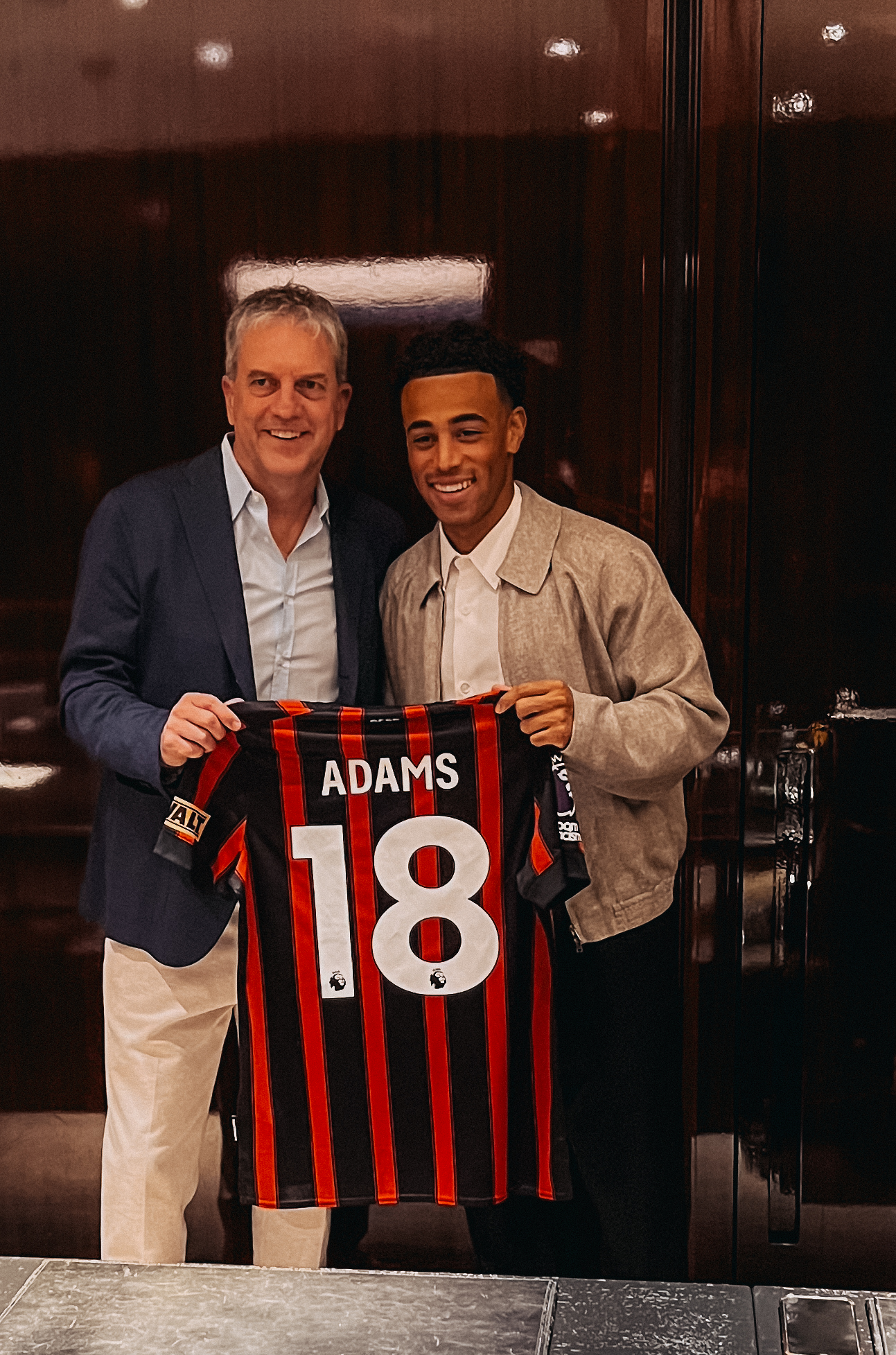
When I was coming through the professional ranks, there were certain names in American soccer that everybody knew. Lyle Yorks was one of them.
He had a reputation as one of the best agents in the game, particularly when it came to helping American players make the move to Europe. He’d represented players like Clint Dempsey, Carlos Bocanegra, and Jozy Altidore, and had been involved in some of the biggest transfers in American soccer history.
After I broke into the U.S. Men’s National Team, I eventually had the opportunity to work with Lyle myself. It was something I considered a privilege because I knew the caliber of people he’d worked with and the kind of career decisions he’d helped them navigate.
What I’ve always appreciated about Lyle is that he’s straightforward. He understands that a player’s career involves a lot more than getting the biggest contract or signing with the most recognizable club.
In this episode of the BTB Podcast, I wanted to pull back the curtain on the business of professional soccer. We talked about how agents actually operate, what happens behind major transfers, and why the decisions young players make at 16 or 17 can have such a significant impact on their development.
For young players dreaming of professional soccer, and parents trying to understand the opportunities being presented to their children, Lyle offers a perspective that very few people have access to.
In this conversation, you’ll hear:
- How Lyle went from having zero clients to representing some of the biggest names in American soccer.
- What really happened in the final seconds of Clint Dempsey’s transfer from Fulham to Tottenham.
- The surprising story of how a professional player’s phone call helped confirm what Lyle saw in a 15-year-old Tyler Adams.
- Why getting an offer from a Premier League club doesn’t necessarily mean you should take it.
- How to evaluate European trials, professional contracts, and agents who promise young players opportunities abroad.
Watch or listen to the full conversation below.
LISTEN ON SPOTIFY | LISTEN ON APPLE | WATCH ON YOUTUBE
From zero clients to some of America’s biggest soccer stars
One of the first things I wanted to understand was how Lyle became an agent in the first place.
He’d been a successful player himself, representing the United States at youth international levels, playing professionally in Europe and MLS, and later working in college coaching. But becoming an agent wasn’t necessarily something he’d planned.
While he was considering an opportunity to become the head coach at Cal Berkeley, his former agent, Paul Stretford, approached him about running the American side of his representation business.
Lyle took the opportunity, despite having no clients of his own.
He told me about attending a company preseason gathering in La Manga, Spain, where he was the only agent without a single player on his roster. Rather than being discouraged, he started traveling, recruiting, and making connections wherever he could.
His first major MLS draft class included several of the top selections, and before long he was helping move American players overseas.
Two transfers in particular helped establish his reputation: Carlos Bocanegra moving from Chicago Fire to Fulham and DaMarcus Beasley moving to PSV Eindhoven.
What fascinated me was how different the process looked back then. Lyle was creating highlight tapes using VCRs, mailing them to European clubs, and traveling constantly to introduce players to people who had barely seen American soccer.
Today, clubs can access footage, scouting information, and player data almost instantly. But back then, creating those opportunities required an extraordinary amount of personal effort. It’s a reminder that when we look at someone who’s become successful, we’re usually seeing the result of years of work that happened before anybody knew their name.
The Clint Dempsey transfer that almost didn’t happen
I’ve always been fascinated by what happens behind the scenes during major transfers. As players, we hear about contracts, negotiations, transfer windows, and deadlines, but most people have no idea how close some deals come to falling apart.
Lyle shared an incredible story about Clint Dempsey’s move from Fulham to Tottenham.
It was the final day of the transfer window, and they were waiting outside Tottenham’s training ground while the clubs negotiated the transfer fee. Reporters were watching the gates, hoping to discover whether the deal would happen.
Eventually, the fee was agreed. But they were running out of time.
There wasn’t even enough time for a medical examination before they needed to complete the paperwork. Documents were being submitted in the final moments of the window, and Tottenham had another transfer they were trying to complete simultaneously.
Clint’s deal went through.
The other player’s didn’t.
That’s how close it was.
I remember asking Lyle whether the printer was going to move fast enough. We laughed about it, but imagine having a player’s future hanging on whether everything gets submitted before the deadline. Lyle also described working on Ryan Nelsen’s move from Blackburn to Tottenham, another deal that came together in the final seconds of a transfer window.
These stories made me appreciate how much coordination happens behind a player’s career. And they reinforced something Lyle mentioned throughout our conversation: successful representation is about having the right people working together, often under enormous pressure.
LISTEN ON SPOTIFY | LISTEN ON APPLE | WATCH ON YOUTUBE
Why a move to Europe isn’t always the right move
One of the most important parts of our conversation came when Lyle described a mistake he’d learned from earlier in his career.
He had a player who desperately wanted to join a Premier League club. They managed to complete the transfer, and on paper, it looked like an incredible opportunity. But the player barely played. Lyle didn’t identify the player, but he explained how that experience changed the way he evaluated potential moves.
Young players understandably get excited about the idea of signing for a famous club. There’s the announcement, the jersey, the photographs, and the feeling that you’ve finally arrived. But as Lyle pointed out, that excitement lasts about 24 hours. Then you have to actually compete for a place in the team. He emphasized that what matters isn’t necessarily where a player is at 16 or 17, but where they’ve developed to by 23, 24, or 25.
That really resonated with me.
I’ve seen players rush into environments they weren’t ready for because the opportunity sounded too good to pass up. I’ve also seen players remain patient, continue developing, and eventually reach levels that might not have been possible had they moved too early.
Lyle explained that when evaluating a professional opportunity, he wants to understand the club’s actual plan for the player. Is there a realistic pathway to first-team minutes? How will the player progress? Has the club demonstrated that it can successfully develop players in similar situations? A contract alone isn’t a development plan.
For a young player who’s desperate to reach Europe, those questions might not be the most exciting ones to ask. But they could be among the most important.
What Clint Dempsey, Tyler Adams, and Carlos Bocanegra have in common
Few people have had the opportunity to work as closely with some of America’s greatest players as Lyle has.
I wanted to know what he’d noticed about their mentalities. Was there something different about these players beyond their technical ability?
He talked about Clint Dempsey, Tyler Adams, and Carlos Bocanegra, three players who became leaders of the U.S. Men’s National Team.
What I found interesting was that he didn’t describe them as having identical personalities. Carlos was someone who earned tremendous respect through his consistency, toughness, and ability to connect with teammates. Clint had an extraordinary competitive fire and a willingness to do whatever was necessary to win. Tyler combines that intensity with a genuine commitment to helping the people around him improve.
Different personalities, but something similar underneath them: an unwillingness to settle. Lyle then shared a story about Tyler Adams that I’d never heard before.
Maurice Edu, another player Lyle represented, had been playing against New York Red Bulls II while working his way back from injury.
After the game, Maurice called Lyle and told him about a young midfielder who had been all over him. The kid had competed so relentlessly that Maurice couldn’t believe how difficult he’d been to play against.
He told Lyle he needed to sign him. The player’s name was Tyler Adams.
Lyle laughed because he’d already signed Tyler after meeting with his family.
I loved that story because Maurice wasn’t impressed by Tyler’s reputation, social media following, or the club he might eventually play for. He was impressed by what Tyler brought to the field against an experienced professional. That’s something young players can influence every day.
LISTEN ON SPOTIFY | LISTEN ON APPLE | WATCH ON YOUTUBE
How to know whether a European trial is legitimate
This was a topic I particularly wanted Lyle’s perspective on because there are so many young players and families being presented with opportunities to train or trial overseas.
Some are genuine pathways into professional environments. Others might sound impressive without offering much actual value.
Lyle explained that the purpose of the trial is what matters.
He shared an example of a young player who trained with Bournemouth’s U21 group at just 16 years old. The player was competing alongside athletes who already had Premier League experience, which allowed the club to evaluate him in a meaningful environment.
They could observe his ability, but also how he prepared, whether he arrived on time, his body language, his competitiveness, and how he interacted with teammates.
That’s information a club can’t always get from watching game footage.
But Lyle also described situations where talented players traveled to train with clubs and were essentially treated as extra bodies in the session, without any meaningful evaluation taking place.
That’s a very different opportunity.
His perspective made me think about the questions families should ask before investing their time, money, and energy in a trial. Who is actually evaluating the player? What environment will they be training in? Is there a legitimate opportunity for something to develop afterward?
And perhaps most importantly, why is the trial being offered in the first place?
A European club’s name might sound impressive, but that doesn’t automatically make the experience valuable.
Choosing the right agent and the right pathway
Toward the end of our conversation, we discussed how families should think about professional opportunities, particularly when deciding between college soccer, academy environments, and signing contracts at a young age.
Lyle was very clear that there isn’t one correct pathway for every player.
Some athletes need to enter professional environments early because their development has already progressed beyond what college soccer can offer. Others benefit enormously from continuing their education, maturing physically, and gaining experience before making that jump.
What concerned him was the pressure some agents and organizations place on young players to make decisions before they’re ready.
He explained that if someone tells you that you have to sign immediately or you’ll miss your opportunity, you should question what their motivations might be.
That doesn’t necessarily mean every opportunity is wrong. But families should be cautious about people who create urgency without explaining the actual development plan.
Lyle also emphasized the importance of relationships. He intentionally built his business around managing careers rather than simply completing transactions. That means knowing the individual, understanding their personality, and sometimes being willing to have difficult conversations.
Having worked with him myself, I appreciated hearing that.
The right people around you won’t always tell you what you want to hear. Sometimes their most valuable contribution is helping you recognize when an opportunity isn’t right.
LISTEN ON SPOTIFY | LISTEN ON APPLE | WATCH ON YOUTUBE
What I’ll take away from this conversation
I’ve always respected Lyle for the opportunities he’s helped create for American players, but what stood out during our conversation was how consistently he returned to the individual behind the career.
Whether we were discussing Clint’s transfer, Tyler’s competitiveness, or a young player deciding between college and professional soccer, his advice came back to making decisions that support long-term development. I think that’s particularly valuable in today’s game, where it’s easy to compare your journey with someone else’s. You see another player sign a contract, move overseas, or earn a national team call-up, and suddenly you feel like you’re behind.
But as Lyle reminded me, you rarely know the full circumstances behind another player’s opportunity. And you certainly don’t know whether it will ultimately be the right move for them. Your job is to continue developing, surround yourself with people you trust, and make the best decisions for the player and person you’re trying to become.
Watch or listen to the full episode above. And if you know a young player or parent navigating college soccer, agents, or professional opportunities, send this conversation their way.
For more lessons from inside the game, subscribe to The Underdog’s Edge, BTB’s weekly newsletter for players and parents.
SHOW NOTES →
LISTEN ON SPOTIFY | LISTEN ON APPLE | WATCH ON YOUTUBE
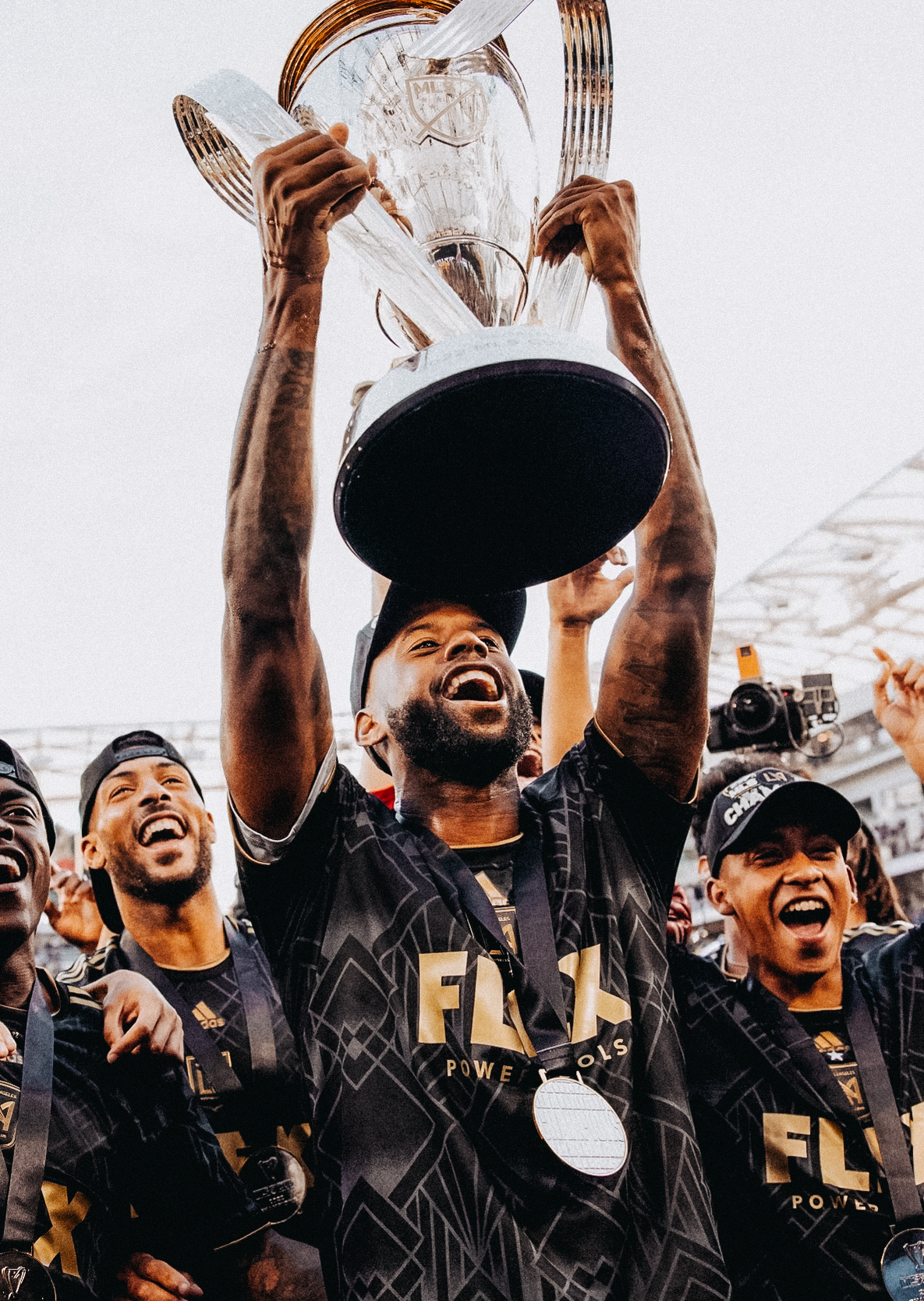
When I think about Kellyn Acosta, I don’t immediately think about the World Cup, the championships he’s won, or the fact that he signed his first professional contract at 16 years old.
I think about the two years we spent together at Chicago Fire, and particularly how he carried himself when things weren’t going his way.
Kellyn had already accomplished more than most players ever will. He’d represented the United States at a World Cup, won an MLS Cup, and built an incredible career. Yet there were stretches in Chicago when he wasn’t getting the playing time he wanted. Sometimes, he wasn’t even warming up.
But every day, he still showed up. He worked, took care of his body, and treated his teammates with respect. I saw that firsthand, and it’s something I’ve always admired about him.
In this episode of the BTB Podcast, we sat down to talk about what it takes to build that kind of reputation. We got into the sacrifices he made growing up, the habits that helped him reach the highest levels, and the difficult period that ultimately led him back to the U.S. Men’s National Team.
For young players trying to build a career, this conversation offers a perspective on what matters beyond talent. And for parents, it’s an opportunity to understand what that journey actually looks like from the inside.
In this conversation, you’ll hear:
- What it was like for Kellyn to sign with FC Dallas at 16 and enter a locker room full of grown men.
- The simple behaviors Kellyn says earn a young player respect before they ever touch the ball.
- Why Kellyn believes discipline, consistency, and balance are essential to a successful soccer career.
- How being left out of the U.S. National Team for two years led to a complete reset—and eventually the 2022 World Cup.
- Why Kellyn worries that social media, money, and parental expectations are taking some young players away from their love of soccer.
Watch or listen to the full conversation below.
LISTEN ON SPOTIFY | LISTEN ON APPLE | WATCH ON YOUTUBE
Signing professionally at 16 doesn’t mean you’ve made it
Kellyn was just 16 when he signed his first professional contract with FC Dallas. He’d already committed to play college soccer at Maryland and had a pathway in mind. His ultimate goal was to become a professional, but college was there as another route if the opportunity didn’t come directly through the academy.
Then FC Dallas offered him a contract. And overnight he was making money, opening a bank account, and walking into a locker room with players twice his age. He was living at home, excited to train, and couldn’t understand why anyone wouldn’t want practice to last longer. Some of his teammates had families to provide for. They were approaching the game as their livelihood, while Kellyn was still a teenager who simply loved playing soccer.
He described being so eager to train, compete, and stay on the field that he sometimes came across as too much. What I appreciated about his story was how much he learned from the people around him. He didn’t have a blueprint for being a professional at that age. Instead, he watched the veterans, listened to their advice, and gradually learned what the responsibility required. That curiosity became a major part of his development.
For any young player who dreams about signing a professional contract, it’s worth remembering that arriving in the environment is only the beginning. You still have to learn how to operate within it.
How to earn respect in a professional locker room
I wanted to ask Kellyn something I’d noticed about him throughout our time together: how he’d managed to build such a strong reputation across different teams, both as a player and as a person. His answer was surprisingly simple.
When he entered the locker room at 16, he made a point of introducing himself to everyone. He greeted his teammates, listened more than he spoke, showed up ready to work, and tried to learn as much as he could. He told me that some young professionals today arrive with a very different attitude. They might already have a social media following, a contract, or some public recognition, and they begin acting as though they’ve accomplished everything.
Kellyn notices the small things. Whether a young player greets the people around him. Whether he respects the equipment and the training staff. Whether he shows up early, works hard, and understands his place within the team. Those behaviors might not appear on a scouting report, but they influence how people see you. I think young players sometimes underestimate this. They spend so much time worrying about what a coach thinks of their ability that they overlook what their behavior communicates every day.
Your teammates and coaches are building an opinion of you whether you realize it or not. When you leave the room, what are they going to say?
LISTEN ON SPOTIFY | LISTEN ON APPLE | WATCH ON YOUTUBE
What do you do when you’re not playing?
This was probably the part of our conversation I was most interested in. Kellyn acknowledged that his years in Chicago were among the hardest of his career. He’d arrived with expectations of helping the team, but there were stretches when he barely played.
I’ve been in those situations myself. It’s difficult to maintain confidence when you’re working hard and don’t feel like you’re getting the opportunities you deserve. But Kellyn made a choice about how he wanted to respond. He couldn’t control the lineup, his position, or the decisions of the coaching staff. What he could control was his attitude, his work ethic, and how he treated the people around him. He continued to arrive early, complete his activation work, take care of his recovery, and ask questions. He wanted to know that he’d done everything he could to prepare himself, regardless of whether he was selected.
One of the ideas he returned to was “Yes, and.”
Yes, this difficult situation is happening. And what am I going to do about it?
I love that distinction because it acknowledges the reality of a setback without allowing it to become an excuse. For a young player sitting on the bench, the temptation is to believe that getting into the starting lineup will solve everything. But how you behave while you’re waiting is part of the reputation you’re building.
And people notice.
Why discipline and consistency matter more than constantly changing your routine
Kellyn described three things he believes have helped him sustain his career: discipline, consistency, and balance.
We spent some time discussing how he developed his routines. I remembered arriving at a U.S. National Team camp and seeing him in the treatment room with his own resistance band, already working through his preparation. It made me laugh because it was such a Kellyn thing to do. He was always taking ownership of his body and figuring out how to prepare himself. But he explained that those routines weren’t something he figured out overnight. He watched other players, asked questions, worked with trainers and strength coaches, and experimented with what worked for him. Over time, he built a process that suited his own needs.
Where he sees players struggle is the constant temptation to change everything when someone else gets results faster. Maybe you’re doing all the extra work, eating properly, and prioritizing recovery. Meanwhile, another player appears to be doing none of those things and scores a hat trick on Saturday. That’s frustrating. Especially when social media makes everyone else’s success so visible.
But Kellyn emphasized the importance of staying committed to your own process rather than constantly reinventing it. He also talked about learning to rest. Earlier in his career, he was so determined to help everyone and do everything that he often ran himself into the ground. Eventually, he realized that saying no and making time to recover were necessary parts of performing at his best.
The lesson I took away was that being disciplined doesn’t mean doing more every single day. It means consistently doing the things that actually help you improve.
From two years outside the national team to the World Cup
One of the most powerful stories Kellyn shared was about his journey to the 2022 World Cup.
He had been part of the U.S. team that failed to qualify in 2017, experiencing the heartbreak of that final qualifying match in Trinidad and Tobago. When a new World Cup cycle began, he hoped to establish himself again. Instead, he found himself outside the national team picture for roughly two years. He described how difficult that period was, particularly after already having represented the country. But it also forced him to evaluate the way he was approaching his career. And he realized he’d become a little too comfortable.
Rather than blaming the circumstances, he decided to make significant changes. He reconsidered his nutrition, training, recovery, and daily routines. He brought in additional support and approached his preparation with a renewed sense of purpose. He didn’t want to experience that feeling of being left out again. Eventually, he earned his way back into the national team. From there, he became a regular part of the group leading into the 2022 World Cup. And the year of the tournament was extraordinary.
Playing for LAFC, Kellyn won the Supporters’ Shield and MLS Cup, scoring in the championship match. Shortly afterward, he received the call confirming that he was heading to Qatar with the United States.
Think about that journey.
From the disappointment of missing a World Cup, to losing his place in the national team, to making the changes necessary to earn another opportunity. What impressed me wasn’t just that he eventually reached the World Cup. It was that he took responsibility for his response when his career wasn’t moving in the direction he wanted.
That’s the part young players can learn from, regardless of the level they’re playing at.
LISTEN ON SPOTIFY | LISTEN ON APPLE | WATCH ON YOUTUBE
Are we taking the enjoyment out of youth soccer?
Later in our conversation, we talked about something we’ve both noticed while working with young players. There’s an enormous amount of pressure surrounding youth soccer today. Parents are comparing development pathways, tracking other children’s progress, investing in more training, and worrying about whether their player is falling behind.
Kellyn mentioned seeing highlight videos of six-year-olds on social media and wondering what we’re doing. When he was young, he played because he loved the game. If he wasn’t at training, he was playing in the house, finding games with neighborhood friends, watching soccer, or playing FIFA.
That enjoyment fueled his desire to improve.
He worries that some children now experience soccer as an obligation instead of something they genuinely want to do. I understood what he meant. Parents often ask me how to make their child more motivated to train. Sometimes my answer is that maybe the child needs an opportunity to explore something else they enjoy. There’s nothing wrong with playing soccer simply because it’s fun. The game can teach discipline, teamwork, and countless other life lessons without a child needing to become a professional. But if the goal is to reach the highest levels, eventually that desire has to come from the player.
Kellyn also talked about the sacrifices he made growing up. He missed social events, school activities, and time with friends because soccer was his priority. He acknowledged that even if his professional dream hadn’t worked out, he wouldn’t have regretted giving it everything. The discipline, friendships, and experiences would still have been worth something. That perspective matters because the value of pursuing a difficult goal isn’t measured only by whether you eventually achieve it.
It’s also measured by who you become along the way.
What I’ll remember from this conversation
One of the things I’ve always respected about Kellyn is that he has built a life and identity that extend beyond soccer. He’s interested in fashion, business, community work, and connecting with people. During our conversation, he explained how those interests helped him become more curious, build relationships, and find balance throughout his career. But underneath all those different pursuits is something consistent.
He’s intentional about who he wants to be.
That showed up when he was a 16-year-old learning from veterans. It showed up when he lost his place in the national team. And I saw it myself during those difficult stretches we shared in Chicago. Young players often think earning respect comes from scoring goals, getting selected, or reaching a particular level. Those accomplishments matter, of course. But Kellyn’s story is a reminder that your reputation is also built through the things you do when nobody’s celebrating you. How you prepare. How you treat people. How you respond to disappointment. And whether you continue to do the right things when there’s no guarantee they’ll pay off.
That’s the kind of player, teammate, and person worth trying to become.
Watch or listen to the full episode above. And if there’s a young player who needs to hear Kellyn’s perspective on discipline, setbacks, or earning respect, send it to them.
For more lessons from inside the game, subscribe to The Underdog’s Edge, BTB’s weekly newsletter for players and parents.
SHOW NOTES →
LISTEN ON SPOTIFY | LISTEN ON APPLE | WATCH ON YOUTUBE
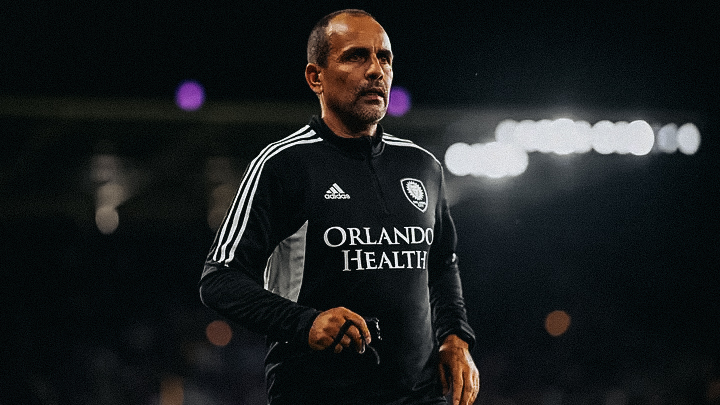
I still remember the first conversation I had with Oscar Pareja as my head coach at Orlando City.
He pulled me aside during preseason, put his arm around my shoulder, and asked me a question I hadn’t really considered myself.
“Why couldn’t Chris Mueller become the best American winger in Major League Soccer?”
I didn’t have a good answer.
Here was a coach who had spent decades developing professional players, telling me he saw something in me that I hadn’t fully seen in myself. That moment changed my confidence. And ultimately, it changed the trajectory of my career. Oscar went on to become one of the most influential people in my life, both on and off the field. So when I started the BTB Podcast, he was someone I knew I wanted to sit down with.
In this episode, we talked about what actually develops great soccer players, why so many talented kids never reach their potential, and some of the changes Oscar is noticing in the next generation of young athletes.
For parents trying to give their children the best opportunities in soccer, this conversation offers a perspective you don’t often hear. And for young players with ambitions of reaching the next level, there’s a lot to take away.
In this conversation, you’ll hear:
- Why Oscar believed I could become one of the best American wingers in MLS—and how one conversation changed my confidence.
- What separates talented young soccer players who succeed from those who never reach their potential.
- Why Oscar is concerned about how quickly today’s young players become frustrated, and what technology might have to do with it.
- Why another two hours of private soccer training might not be what your child needs most.
- Why Oscar believes college soccer remains one of the greatest advantages in American player development.
Watch or listen to the full conversation below.
LISTEN ON SPOTIFY | LISTEN ON APPLE | WATCH ON YOUTUBE
The conversation that changed my confidence
When Oscar arrived at Orlando City, I was eager to prove myself.
I’d already established myself as a professional, but I still had plenty of questions about what I was capable of becoming.
When he told me he believed I could be one of the best American wingers in the league, it wasn’t some generic motivational speech.
He’d seen how I competed in previous seasons and when he spoke with me, I could feel that he genuinely believed I had the ability. That distinction mattered big time because even in our conversation, Oscar explained that building confidence requires honesty. You can’t simply tell every player they’re going to be the best in the world and expect them to believe it.
You have to recognize where they actually are and help them see what’s possible from there.
Sometimes that means showing a player they have more potential than they realize. Other times, it means helping them identify the next small step they need to take.
Looking back though, Oscar didn’t give me confidence by telling me what I wanted to hear. He gave me a reason to believe something I hadn’t yet believed about myself because it was something I hadn’t yet accomplished.
Talent without commitment will only take you so far
I asked Oscar what he looks for when evaluating young players, particularly those who show natural ability but don’t seem willing to do the work. He’s seen plenty of them throughout his career. Players with extraordinary talent who lack commitment. And others who aren’t necessarily the most gifted but have an incredible desire to improve. His point was that talent and commitment have to work together. But what stood out to me was how much responsibility he placed on the player.
As he explained:
“The transformation of the players belongs to themselves.”
A coach can show you what to work on. They can provide feedback, build a plan, and create opportunities. But they can’t want it more than you do. I thought back to the countless times I knocked on Oscar’s office door asking to watch extra film.
Sometimes we’d spend an entire half of a game reviewing my positioning, the spaces I wasn’t recognizing, or the decisions I could have made differently. He was always willing to teach me. But I had to walk through the door and ask.
For young players who feel stuck, that’s worth thinking about. Are you waiting for your coach to tell you everything you need to do? Or are you actively looking for ways to get better?
LISTEN ON SPOTIFY | LISTEN ON APPLE | WATCH ON YOUTUBE
Why Oscar is worried about the next generation of soccer players
One of the most interesting parts of our conversation came when Oscar told me he’d recently been spending time observing younger academy players.
After years of coaching professionals, he wanted to better understand how the next generation was developing. And something concerned him.
He was noticing how quickly some young players became frustrated. Whether that was a teammate misplacing a pass, someone losing possession, or how a player reacts when a coach demands something difficult.
Oscar believes technology and the expectation of instant gratification may be playing a role.
His observation was simple: so much of modern life gives kids what they want almost immediately.
But soccer doesn’t work that way.
You don’t always get the pass you want. Your opponent doesn’t cooperate. The referee makes a call you disagree with. You have to respond, adjust, and find another solution.
And what happens when a player hasn’t developed the patience to work through those moments? They get frustrated instead of solving the problem.
I found this fascinating because it’s not something we typically consider when discussing technical development. We’re constantly asking how to improve a player’s first touch, passing, or decision-making. But how often are we asking whether they’re developing the emotional capacity to handle everything that goes wrong during a game?
Sometimes the best soccer training happens at home
As our conversation continued, Oscar made a point I think every soccer parent should hear.
More training isn’t always the answer. He sees parents investing in private sessions, extra practices, and additional opportunities because they desperately want their children to succeed.
And he understands that desire. But sometimes, he explained, sitting at home reading, talking as a family, or working through a disagreement with a sibling might be more valuable than another two hours on the field.
That stuck with me. Because soccer is ultimately a game of solving problems. And learning how to solve problems doesn’t have to begin with a ball at your feet. It can happen when a child works through something difficult without a parent immediately stepping in, it can happen when they take responsibility for something around the house, or when they learn to sit with frustration long enough to figure something out themselves.
Oscar encouraged parents to give their children the opportunity to experience those difficulties rather than immediately removing them.
This hit especially close to home for me.
After facing the health challenges that ultimately contributed to my retirement, I’ve thought a lot about how the lessons I learned through soccer prepared me for difficult moments outside the game. Throughout my career, I had deliberately challenged myself. I had learned to do things that were uncomfortable and built confidence in my ability to get through them.
And when life presented me with something far bigger than a bad game or a difficult training session, those experiences mattered.
Not every child will become a professional soccer player. But every child will eventually face adversity.
What are we doing to help them prepare for it?
LISTEN ON SPOTIFY | LISTEN ON APPLE | WATCH ON YOUTUBE
Why Oscar still believes in the college soccer pathway
Another topic I was excited to discuss was college soccer.
There’s so much conversation today about the professional academy system and whether talented young players need to enter that environment as early as possible. Oscar sees it differently.
Having developed players through professional academies, the college draft, and international pathways, he believes the American college system is something we should value much more. He explained how players who arrive at the professional level at 21, 22, or even 23 often bring a different level of maturity. They’ve learned to manage their schedules, handle responsibilities, pursue an education, and become more independent.
He also noted how effectively many college-developed players absorb tactical information. I could relate to that personally. If I’d entered a professional locker room at 17, I don’t think I would have been ready.
College gave me time to mature, experience adversity, and develop habits that eventually helped me succeed professionally. Oscar wasn’t arguing that college is better than the academy system. His point was that both pathways develop different strengths. And in American soccer, having multiple routes to the professional game should be viewed as an advantage.
For a young player worried they’re falling behind because they haven’t signed professionally at 16 or 17, that’s an important perspective to hear.
The relationships matter more than the trophies
Toward the end of our conversation, I asked Oscar what he felt had been the key to his success as a coach. This is someone who has won trophies, developed national team players, and built successful teams throughout his career. But he didn’t start by talking about tactics, formations, or results. He talked about relationships.
He remembered the players he’d coached as children who now have families of their own. The relationships that continued long after they stopped working together. He described those relationships as his treasures and trophies. I understood exactly what he meant.
There were difficult moments during our time together. Especially toward the end of my career in Orlando, when I was dealing with decisions about my future. We didn’t always agree, but still, I always knew Oscar cared about me. He was willing to challenge me, listen to me, and invest time in helping me grow. And because of that, he was the kind of coach I wanted to give everything for.
I think that’s what separates truly great coaches. They understand they’re working with people, not just players. And sometimes their greatest impact has nothing to do with the result on Saturday.
What I’ll take away from this conversation
When I think about my time with Oscar, I naturally remember the games, the training sessions, and the opportunities he helped me earn. But what I appreciate most now are the lessons that followed me beyond soccer. The confidence to believe I was capable of more. The curiosity to keep asking questions. And the understanding that no matter how good a coach or mentor might be, the responsibility for my development ultimately belongs to me.
Oscar said something at the end of our conversation that meant a lot. He had a coach who made that kind of impact on him. He passed those lessons on to players like me. And now, through BTB, I have an opportunity to pass them on to someone else. That’s what I hope these conversations can do.
LISTEN ON SPOTIFY | LISTEN ON APPLE | WATCH ON YOUTUBE
Watch or listen to the full episode above. And if you’re a parent, player, or coach who could benefit from Oscar’s perspective, share it with them.
For more lessons from inside the game, subscribe to The Underdog’s Edge, BTB’s weekly newsletter for players and parents.
For help applying these lessons to your own development, explore the BTB Locker Room.
show notes →

LISTEN ON SPOTIFY | LISTEN ON APPLE | WATCH ON YOUTUBE
As a kid, I made a book about Nani. Years later, I gave it to him when we were teammates at Orlando City. Now, this Nani interview brings our conversations to the BTB Podcast, and shares lessons I wish every young player could hear.
I wanted to see how he trained. What he did in the gym. How he prepared. When you get to share a locker room with a player who has competed on the biggest stages in the world, you pay attention.
In this episode of the BTB Podcast, we sat down again to talk about those experiences: earning respect at Manchester United, learning from Cristiano Ronaldo, taking the captain’s armband in Portugal’s European Championship final, and finding your way back after a difficult stretch.
For young players wondering what it takes to reach another level, there is a lot to learn here. And for parents, it offers a closer look at the habits and mentality behind the player you see on match day.
In this conversation, you’ll hear:
- How Nani earned the respect of Manchester United’s senior players.
- Why Ronaldo kept postponing their plans to get coffee, and what Nani learned when he found out why.
- What happened when Sir Alex Ferguson noticed the training Nani thought nobody was watching.
- What Nani said to Ronaldo when he was forced off in the European Championship final.
- Why a bad game or an injury can make a player afraid to do the very things that made them good.
Watch or listen to the full conversation below.
LISTEN ON SPOTIFY | LISTEN ON APPLE | WATCH ON YOUTUBE
What Nani learned about responding after a bad game
At Manchester United, the expectations were enormous. Nani explained that when the team’s results suffered, or he didn’t perform well, he could feel the disappointment around him.
How he behaved during that week mattered.
He wanted to compete in training, sharpen his shooting and crossing, and show that he could be counted on. Over time, his professionalism and performances earned him respect.
That is something a young player can take into their own team immediately. After a disappointing game, you still have a training session to show up for. You still have teammates to work with. You still have an opportunity to respond.
What will they see from you?
What Nani learned from Cristiano Ronaldo’s daily habits
When Nani first arrived at United, he and Anderson spent a month living with Ronaldo. He already knew Cristiano through Portugal’s national team, but living together let him see the daily habits up close.
Later, after moving into his own house, Nani would suggest getting coffee after training. Ronaldo would agree, then something would come up. It happened again.
Nani started wondering why his friend never seemed available.
Eventually, he discovered that Ronaldo was spending those evenings on recovery and extra training.
That changed how Nani used his own time. He began incorporating evening stretching, swimming, and gym work. They could have their coffee at the training facility.
What stayed with me was how much he learned simply by watching. Ronaldo’s example helped him understand what being a professional required beyond the team session.
I recognized that feeling. At Orlando, I was watching Nani in much the same way.
Sir Alex was watching
Nani also shared a story he had told me during our time together in Orlando.
After a problem with his foot affected his shooting, he wanted to regain the quality he knew he was capable of. Once he recovered, he worked on his shooting and crossing in additional sessions.
He thought nobody was seeing it.
Then Sir Alex Ferguson approached him and let him know he had noticed—and was happy with what he was doing.
That weekend, Nani started on the bench. An injury gave him an early opportunity to enter the game with United trailing. He described coming on full of energy, creating chances, and eventually contributing a goal and an assist.
The detail I love is that he prepared before he knew whether he would play.
For a player waiting for an opportunity, that is a useful question: if your coach calls on you, how ready will you be?
LISTEN ON SPOTIFY | LISTEN ON APPLE | WATCH ON YOUTUBE
Taking responsibility when the plan changes
One of the most emotional moments in our conversation was hearing Nani describe Portugal’s European Championship final.
The team had been counting on Ronaldo. When he went down injured, Nani initially urged him to keep trying. Seeing his teammate unable to continue—and crying—hit him hard.
Nani told him:
“Don’t worry, we’re going to win this for you.”
Then Ronaldo handed him the armband.
Nani turned toward the other players and urged them on. Portugal had to keep competing through a moment none of them had wanted.
He said the significance of taking that responsibility became clearer afterward, looking back at the pictures.
It is an extraordinary story, but there is a lesson in it for any team: when something goes wrong, someone has to help the group keep moving. You can practice that responsibility long before you are handed an armband.
LISTEN ON SPOTIFY | LISTEN ON APPLE | WATCH ON YOUTUBE
Don’t let a difficult stretch take away your game
When I asked what he would tell a younger version of himself, Nani spoke about setbacks.
An injury. A stretch without scoring. A game that goes badly.
He has seen players become afraid to attempt things they used to do confidently. A difficult moment begins to change the way they play.
His advice was to stay focused on what you want to achieve, have a target, and keep the courage to make mistakes.
If you are going through that kind of stretch, ask yourself: what have I stopped trying because I’m afraid it won’t work?
That question can give you something specific to work on at your next training session.
Why this Nani interview meant so much to me
Toward the end, Nani told me something that meant a lot.
At Orlando, he had seen part of his role as helping the younger players improve. He remembered our conversations, our combinations on the field, and how my game developed during our time together.
As I improved, he said, it became easier for him to play well, too.
I had entered that relationship wanting to learn everything I could from him. Hearing him describe what it meant from his side was special.
That is one of the reasons I wanted to have this conversation. Young players usually get to see the goals, the celebrations, and the biggest nights. Here, you get to hear about the preparation, setbacks, and relationships that helped make those moments possible.
LISTEN ON SPOTIFY | LISTEN ON APPLE | WATCH ON YOUTUBE
Watch or listen to the full episode above. And if a young player came to mind while you were reading, send it to them.
For more lessons from inside the game, subscribe to The Underdog’s Edge, BTB’s weekly newsletter for players and parents.
For help applying these lessons to your own development, explore the BTB Locker Room.
show notes →
recent episodes
the btb podcast
Listen to stories, ideas and behind the scenes conversations from high performers.
Chris Mueller’s soccer career took him from the American college game to Major League Soccer, Scotland, and the U.S. Men’s National Team, playing with and against names he grew up watching.
An author and lifelong student of high performance, Chris brings that same curiosity to conversations with exceptional athletes, coaches, and leaders: how they think, what shaped them, and what we can apply to our own lives.
A decade in professional soccer. A lifelong student of what it takes.
Meet Your Host, Chris

Text
Call
Burger
Taco
Netflix
Hulu
Coffee
Tea
Winter
Summer
Dog
Cat
We have been a speaker at 3 events before we decided to start our podcast!
three.
We've traveled to all the continents and the north still holds our hearts.
two.
Our pup Murphy is liiiiiife! He may even make an appearance on the pod!
one.
There's more!
Oh, But wait...